
News & Events
When AI Can Write Content: What Can Multimedia Communications Students Learn from Tuoi Tre Newspaper
A question raised by a Lac Hong University student about whether AI might replace journalists has brought forward a broader discussion: as artificial intelligence reshapes the media landscape, how should young professionals prepare to enter the industry?
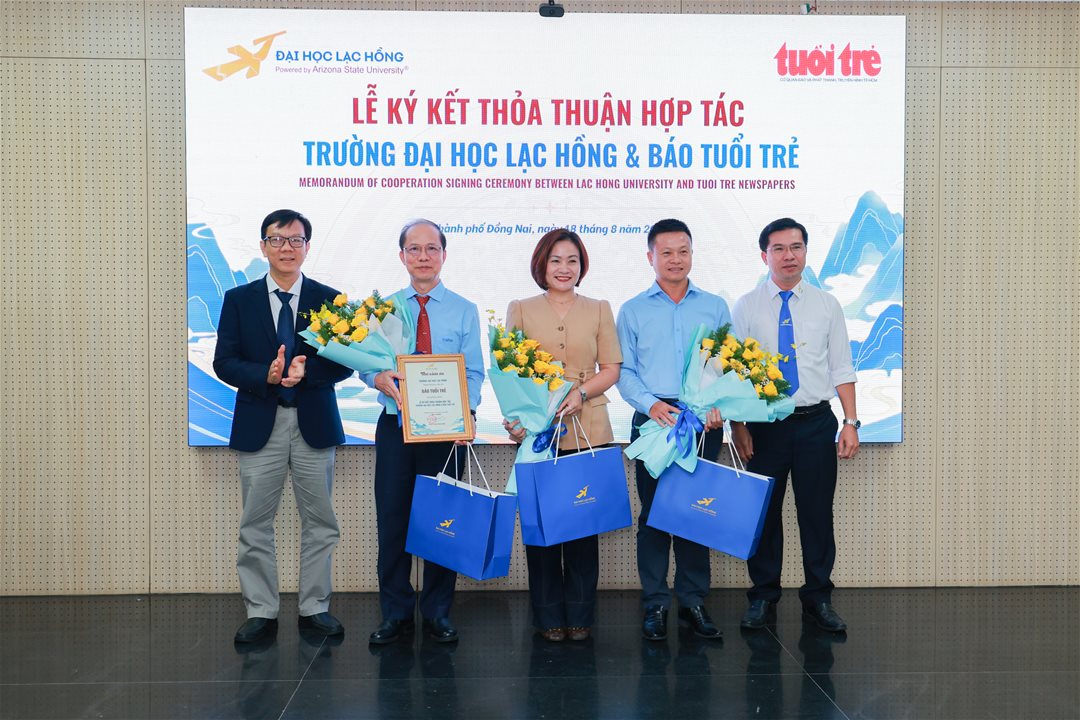
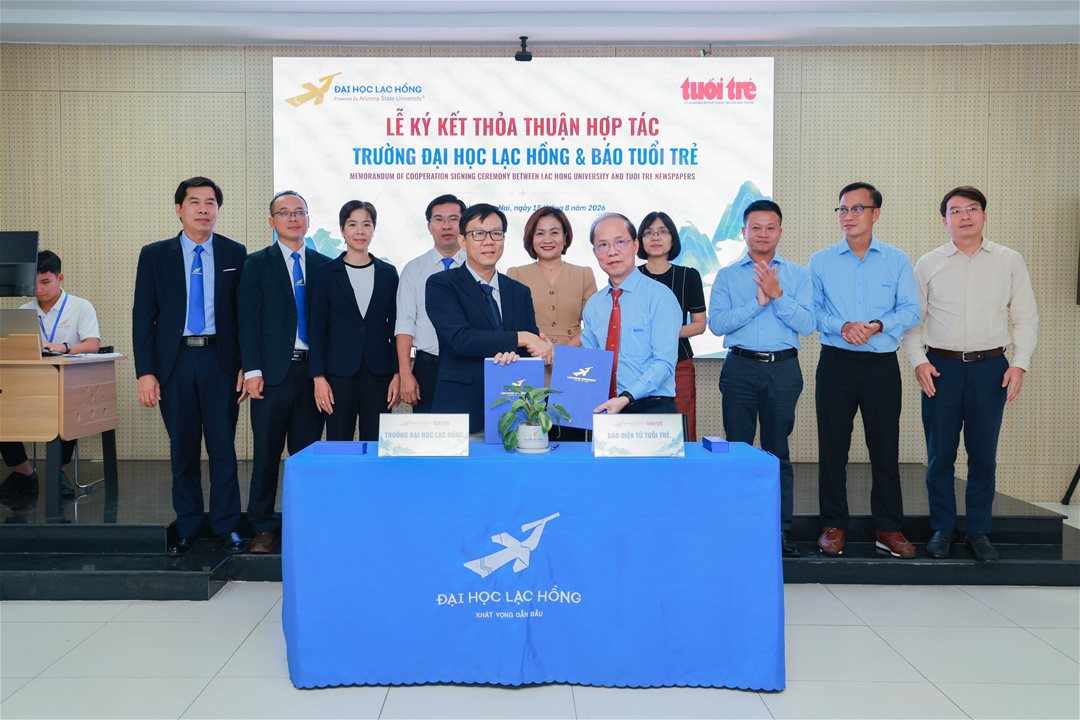
During the partnership signing ceremony between Lac Hong University (LHU) and Tuoi Tre Newspaper, students participated in direct exchanges with press representatives alongside updates on training programs, internships, and professional experiences.
One of the most notable topics discussed was the impact of artificial intelligence (AI) on journalism and the broader communications sector.
While initially raised by an individual student, it reflects a challenge currently facing the entire media industry.
Read more: LHU Partners with Tuoi Tre Newspaper, Expanding Career Opportunities for Students
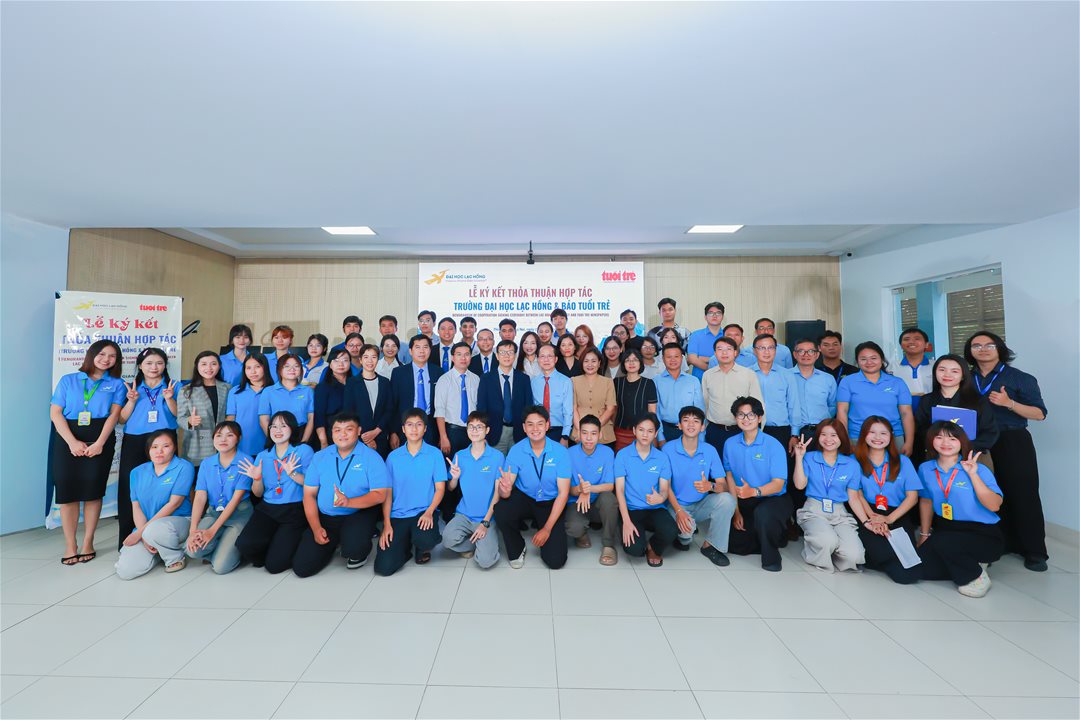
A Student’s Question, an Industry-Wide Challenge
AI is rapidly integrating into nearly every stage of content production. From drafting text and summarizing information to generating images, supporting video editing, and analyzing data, AI tools can increasingly perform tasks that previously required human labor.
As a result, the question "Can AI replace journalists?" is no longer confined to theoretical discussions about technology.
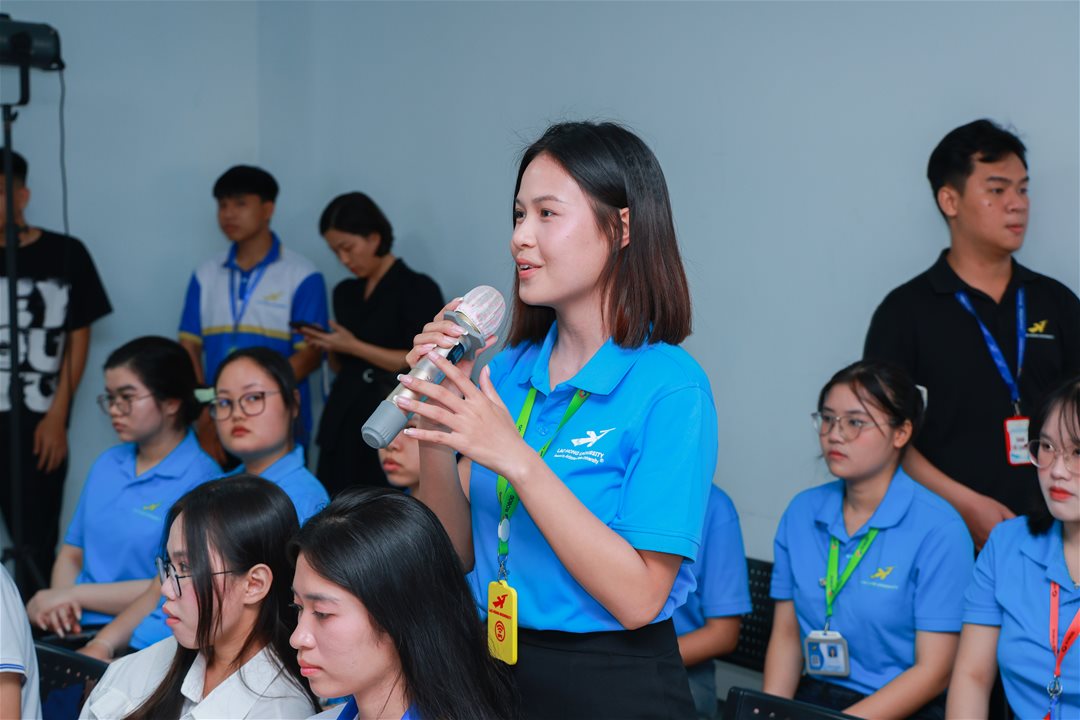
For students majoring in Multimedia Communications, it is a practical consideration that directly influences their career paths.
If a digital tool can generate a news update within seconds, produce an image from a prompt, or assist in video editing, what competencies must media students develop to deliver unique, irreplaceable value?
This question is particularly relevant for Multimedia Communications students preparing to enter a fast-evolving industry.
.jpg)
When Content Creation Becomes Universal
The growth of social media platforms has transformed how information is accessed and produced. Today, with a smartphone, a student can record, edit, write, and distribute content to thousands of viewers. AI tools make this process faster, simpler, and more accessible.
However, widespread ease of creation presents new challenges. When almost anyone can produce content, a media practitioner’s value is no longer defined solely by technical output.
-
A visually appealing video is not necessarily an effective media piece.
-
A widely shared article is not inherently reliable.
-
A quickly generated AI response does not guarantee verified facts.
Behind every credible media product, there must be a professional who knows how to ask the right questions, identify reliable sources, verify facts, and understand the broader impact of the content on the public.
For this reason, developing a professional mindset and critical thinking is essential for Multimedia Communications students.
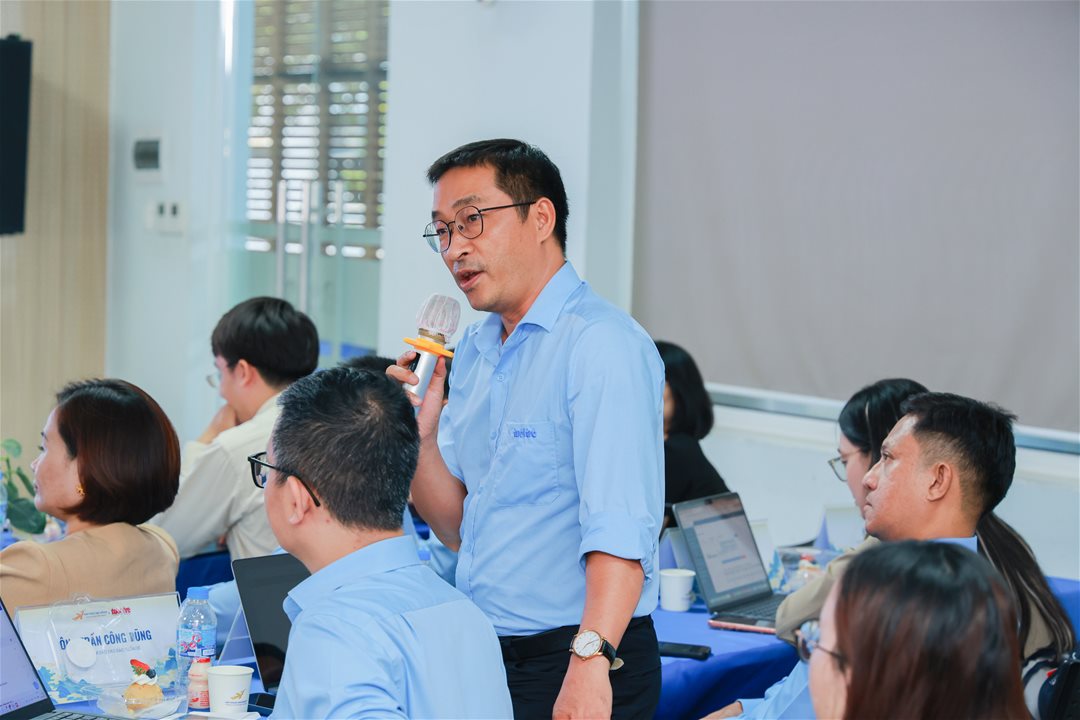
Journalism Involves More Than Just Writing
Through the cooperation program between Lac Hong University and Tuoi Tre Newspaper, students gain direct exposure to professional newsroom environments through experiential activities, internships, and the "Practicing Journalism with Tuoi Tre" initiative.
For Multimedia Communications majors, this opportunity goes beyond learning how a standard news article is drafted.
Modern journalism operates across multi-platform media environments. A single story can be developed across various formats, including articles, photography, video, infographics, podcasts, and other digital assets. This creates a natural convergence between journalism and multimedia communications.
While students learn technical video production in the classroom, working in a professional setting prompts essential editorial questions:
-
What should be recorded?
-
Why is this story worth telling?
-
Which details require verification before publication?
These practical insights are best developed through real-world experience.
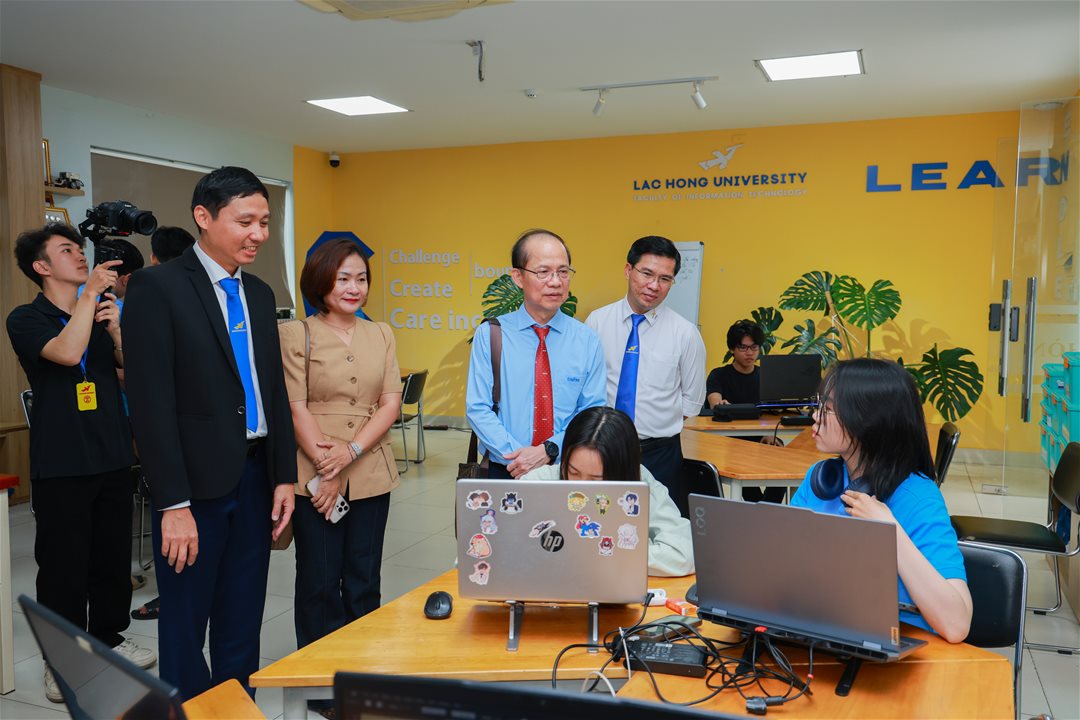
Bridging the Gap from Lecture Hall to Newsroom
Academic-industry partnerships offer value beyond formal collaboration agreements. For students, they provide clear visibility into the differences between classroom theory and industry requirements, allowing them to assess their skill sets before entering the job market.
Through the initiative with Tuoi Tre Newspaper, LHU students gain practical workplace experience, observe how a major news organization functions, and engage directly with active professionals.
This allows critical career questions to be addressed early. Rather than waiting until graduation to assess industry fit, students can evaluate their strengths and interests through early hands-on opportunities.
Key Competencies for Media Professionals in the AI Era
Determining the exact extent of AI’s long-term transformation of journalism and communications remains an evolving discussion. However, one standard is clear: future media professionals must be technologically literate.
Students need to understand how to use AI tools effectively, recognize their capabilities and constraints, and manage technology responsibly rather than relying on it entirely.
Equally important are core professional skills:
-
- Independent and critical thinking
-
- Creative storytelling
-
- Thorough fact-checking and source verification
-
- Audience awareness
-
- Ethical responsibility for published content
Rather than asking, "Will AI replace media professionals?", a more actionable question for students today is: "What kind of media professional should I become in an AI-driven world?"
This is an essential question for journalism and communications as technology continues to change how information is created, distributed, and trusted.
For Multimedia Communications students, finding the answer extends beyond textbooks—it begins with structured learning, critical inquiry, hands-on practice, and direct engagement in professional environments.
The partnership between Lac Hong University and Tuoi Tre Newspaper provides a practical pathway for students to connect with their field and stay aligned with ongoing industry developments.
📌 Read the full article on Tuoi Tre Newspaper:
https://tuoitre.vn/sinh-vien-truong-dai-hoc-lac-hong-hoc-lam-bao-cung-tuoi-tre-10026081817542649.htm
